
Technology
Wantagh Elementary School students honor their heroes
By Tyler Jenkins
Advertisement · Why this ad?
A lifelong Rochester resident, James earned his degree in Journalism from SUNY Brockport. He has spent the last eight years reporting on the Rochester Red Wings and other local teams for the Rochester Democrat and Chronicle, bringing passion and detailed insights to his coverage.
More from James →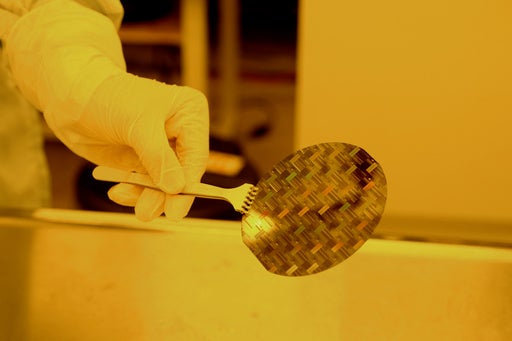
As the sun set over Rochester, NY, families gathered in their living rooms, eyes glued to the evening news. Among the headlines was a story that resonated deeply with many: the urgent need for skilled workers in the semiconductor industry. The scene was not just about the latest technology; it was about hope, opportunity, and the American dream—values that resonate deeply in our community. With local colleges stepping up to meet this demand, Rochester stands on the brink of a new era in workforce development.
In a remarkable response to a looming labor shortage, community colleges across the nation are rapidly expanding their semiconductor training programs. This initiative is fueled by the CHIPS Act, which aims to bolster domestic semiconductor production. With major companies like TSMC and Intel investing over $800 billion into new U.S. fabrication plants, the need for skilled technicians has never been more pressing. Experts predict that by 2030, the U.S. semiconductor industry could face a shortage of as many as 157,000 workers, particularly in states like Texas, Ohio, California, New York, and Arizona.
As part of this initiative, community colleges are offering short-term, hands-on training programs designed to prepare students for entry-level positions in semiconductor manufacturing. For instance, Rio Salado College in Tempe, Arizona, launched a tuition-free, three-month crash course that equips students with the necessary skills to operate advanced machinery used in chip production. The program has attracted a diverse group of students, from recent high school graduates to seasoned professionals seeking a career change.
In Rochester, local educational institutions are also taking note. With the semiconductor industry's growth trajectory, community colleges are beginning to explore similar programs, aiming to create a skilled workforce that can support this burgeoning sector. The stakes are high; the future of American tech innovation depends on it.
The community's response to these initiatives has been overwhelmingly positive. Families see the potential for stable, well-paying jobs that could transform their lives. Ethan Mock, a 23-year-old student from Arizona, embodies this hope. After accumulating over $100,000 in debt pursuing a business degree, he pivoted towards semiconductor training, eager to secure a future in a booming industry. "I do want to be in a booming industry," Mock said. "It was very exciting to get right into the meat and bones of semiconductor manufacturing, which is really cool."
Mock's story is just one of many. Across the country, individuals from various backgrounds are enrolling in these programs. A 64-year-old middle school teacher and a recently laid-off software developer are among those who have found new life in the semiconductor field. This diverse mix of students reflects a broader trend: the realization that traditional four-year degrees may not be the only pathway to success.
Local officials have also expressed support for these programs, recognizing their potential to revitalize the economy and create a skilled workforce. The Rochester Chamber of Commerce is actively promoting partnerships between local colleges and tech companies, ensuring that the community is well-prepared to meet the demands of the semiconductor industry.
Community colleges are stepping up to the plate, providing training that is both accessible and relevant. By collaborating with major semiconductor manufacturers, these institutions can tailor their programs to meet the industry's specific needs. For example, at Rio Salado College, students first learn fabrication procedures through virtual-reality headsets before receiving hands-on training in clean-room labs.
This innovative approach not only prepares students for immediate employment but also equips them with skills that can lead to further educational opportunities. Many students, like Mock, are considering pursuing engineering degrees after completing their training, highlighting the long-term benefits of these programs.
The future of semiconductor training in Rochester looks promising. As local colleges begin to explore similar programs, the community can expect a surge in interest from students eager to enter this high-demand field. The collaboration between educational institutions, government agencies, and industry leaders will be crucial to ensuring the success of these initiatives.
Moreover, the expansion of semiconductor manufacturing in the U.S. is expected to create thousands of jobs. TSMC's $265 billion development project in Phoenix alone is projected to generate 25,000 jobs over the next decade, with a significant portion earmarked for local hires. This presents a unique opportunity for Rochester residents to capitalize on the growing demand for skilled technicians.
As these programs gain traction, it will be essential for community leaders to advocate for continued funding and support. The partnership between local colleges and industry giants can serve as a model for other regions looking to bolster their workforce in emerging sectors.
The impact of these semiconductor training programs extends beyond individual students; they have the potential to transform entire communities. By providing access to quality education and training, local colleges can help reduce unemployment rates and stimulate economic growth. Families that once struggled to make ends meet may find new opportunities for financial stability and upward mobility.
Moreover, as students transition into well-paying jobs, they contribute to the local economy, creating a ripple effect that benefits everyone. Increased spending power can lead to improved local businesses, enhanced public services, and a stronger community overall.
In a time when many families are facing economic uncertainty, the promise of stable employment in the semiconductor industry offers a beacon of hope. As more individuals enroll in these training programs, the community can look forward to a brighter future built on the foundations of education, hard work, and commitment.
For those interested in pursuing a career in semiconductor manufacturing, numerous resources are available. Local community colleges, such as Monroe Community College, are beginning to develop programs tailored to meet industry demands. Additionally, organizations like SEMI provide valuable information on training initiatives and job opportunities in the semiconductor sector.
Students can also explore financial aid options, including scholarships and grants, to help offset the cost of education. With the support of local businesses and government initiatives, aspiring technicians can find a pathway to a fulfilling career without the burden of student debt.
As the semiconductor industry continues to grow, so too will the opportunities for those willing to invest in their education and training. By taking advantage of the resources available, students can position themselves for success in this exciting field.
The road ahead is filled with promise, and as Rochester embraces this new chapter in workforce development, the community can take pride in its commitment to education, family values, and the pursuit of the American dream.
By Tyler Jenkins

By Jasmine Rodriguez

By Marcus Chen

By Lucas Grant