
Community
Interview: SU political science professor Grant Reeher talks Election Day aftermath
By Leila Ahmed
Advertisement · Why this ad?
A graduate of the University at Buffalo, Leila has spent five years in journalism, previously working at a community-focused news outlet in Rochester, NY. She specializes in uncovering the diverse voices and cultural richness of Syracuse’s neighborhoods, bringing their stories to light.
More from Leila →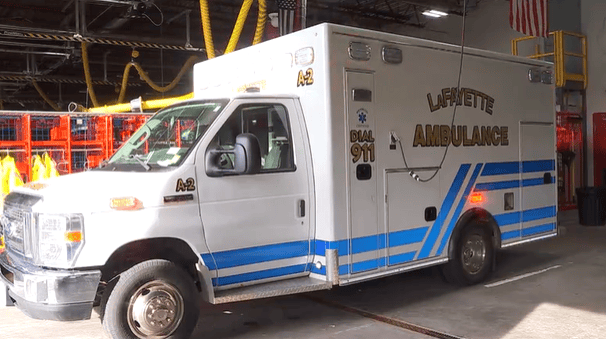
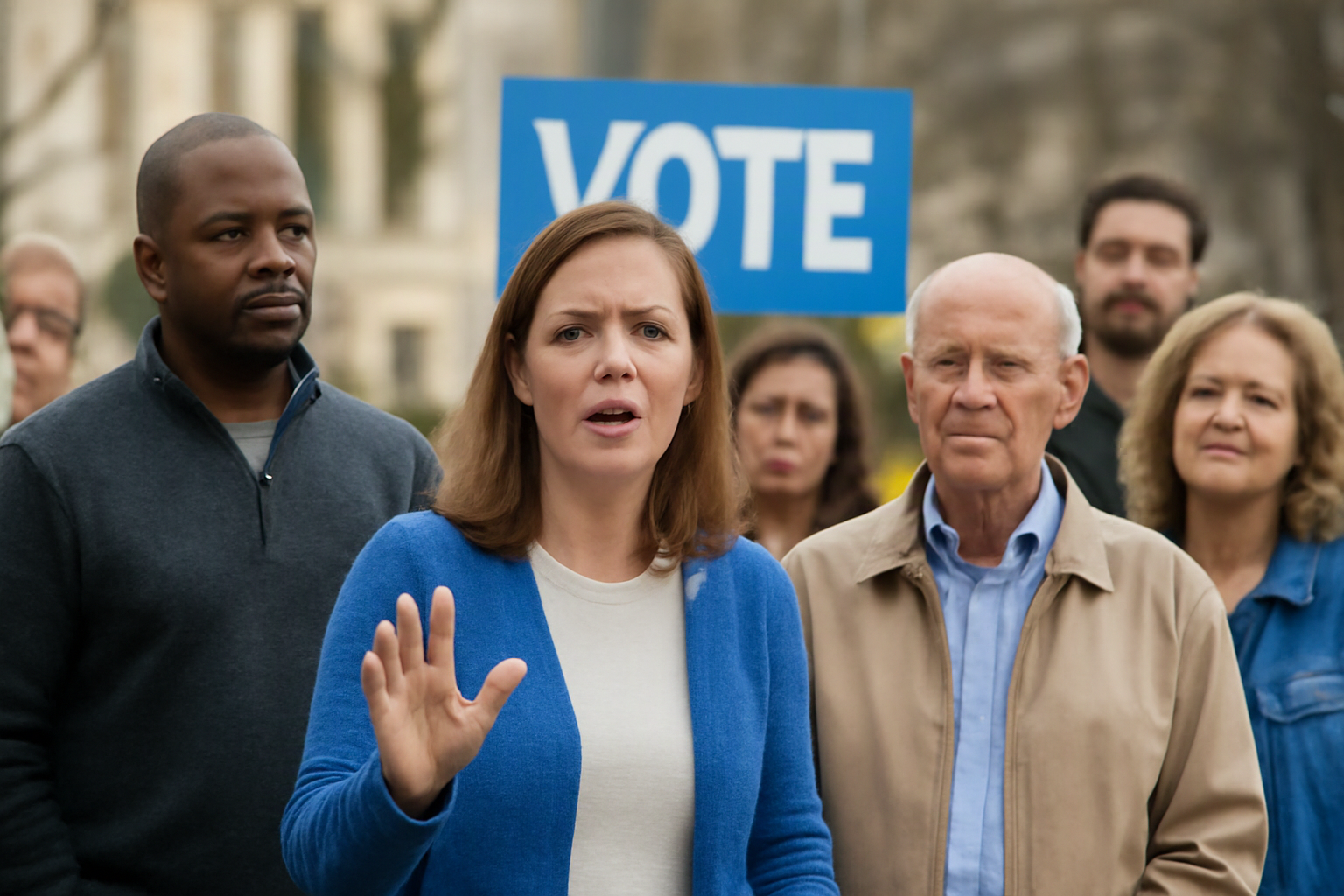
On a crisp autumn evening in LaFayette, the air was thick with anticipation as residents gathered at the local polling station. Families with children, retirees, and young couples alike made their way to cast their votes, each one carrying the weight of a decision that would impact their community's health and safety. Yet, as the ballots were tallied, a collective sigh echoed through the town: the proposal for a new ambulance tax had been narrowly rejected by just 36 votes.
During the recent election, LaFayette voters faced a pivotal choice regarding their emergency services. The proposed tax would have funded 24-hour ambulance services, a necessity that many community leaders argued was essential for the safety and well-being of residents. Specifically, the tax increase would have meant an additional $332 per year for homeowners with a property valued at $200,000.
The proposal aimed to address the growing concerns over emergency response times, especially in a town where the nearest hospital is not always a quick drive away. Town Supervisor, Mark D. Smith, expressed his disappointment following the results, highlighting the importance of accessible emergency services. “Our community deserves the best possible care, and this tax was a step toward ensuring that,” he stated.
Despite the clear need for improved ambulance services, the measure faced significant opposition. Many residents expressed concerns over the financial burden the tax would impose, especially in a time of economic uncertainty. The close margin of the vote—36 against the measure—reflects a community divided on how best to balance fiscal responsibility with public safety.
The rejection of the ambulance tax has sparked a range of reactions among LaFayette residents. Some voiced their relief, feeling that the financial implications were too steep for many families. “With everything going on in the economy, we just can’t afford another tax,” said local resident Linda Johnson, a mother of three. “We need to prioritize our spending and find other solutions.”
Conversely, others expressed deep concern about the implications of the vote. “This isn’t just about a tax; it’s about our health and safety,” remarked Tom Reynolds, a retired firefighter. “If someone has a heart attack or a serious injury, every minute counts. We need to invest in our emergency services.” His sentiments were echoed by several community members who fear that without adequate funding, emergency response times could worsen, putting lives at risk.
The emotional tug-of-war surrounding the vote reflects broader issues faced by small towns across America. Residents are often caught between the desire for quality services and the reality of rising costs. In LaFayette, the stakes feel especially high as families weigh the importance of maintaining a strong safety net against the pressures of their household budgets.
In the wake of the vote, local leaders are now grappling with the next steps for LaFayette's emergency services. Supervisor Smith, along with other town officials, is committed to finding alternative solutions that do not compromise the safety of the community. “We need to be proactive. This issue isn’t going away, and we owe it to our residents to keep this conversation alive,” he added.
Local fire chief, Sarah Martinez, also weighed in, noting that the current volunteer ambulance service is stretched thin. “We rely heavily on volunteers who have other jobs and commitments. A 24-hour service would mean more trained professionals on the ground, ready to respond when every second counts,” she emphasized. Chief Martinez’s call for action resonates with many who understand the critical nature of emergency response in small communities.
In the wake of the election, town leaders are now faced with the challenge of reassessing how to provide essential services without the necessary funding. Supervisor Smith has indicated that the town will explore alternative funding options, including grants and community fundraising initiatives, to support emergency services. “We can’t give up on this issue,” he stated. “We must find a way to ensure our residents are safe.”
Additionally, the town plans to hold community forums to discuss potential solutions and gather input from residents. These discussions will be crucial in determining how LaFayette can move forward and ensure that emergency services remain a priority. “It’s important that we come together as a community to find a solution that works for everyone,” Smith emphasized.
As the town navigates this challenging period, many residents remain hopeful that a compromise can be reached. The need for 24-hour ambulance services is clear, and the community is rallying around the idea of finding a sustainable way to support this critical service.
One of the key challenges highlighted by this election is the need for better communication and education regarding local tax proposals. Many residents admitted to being unaware of the specifics of the ambulance tax and how it would directly benefit them. “I think if more people understood the importance of this service, they might have voted differently,” said local business owner Sarah Thompson.
To address this gap, town leaders are planning to implement a series of informational sessions aimed at educating residents about the implications of funding emergency services. These sessions will not only cover the financial aspects but also emphasize the critical nature of timely emergency response and its direct impact on community health.
“We need to empower our residents with the knowledge they need to make informed decisions,” said Smith. By fostering a more informed electorate, LaFayette hopes to create a stronger foundation for future proposals that aim to enhance the quality of life in the community.
As LaFayette moves forward from this narrow defeat, the focus will inevitably shift to how the town can better serve its residents while respecting their financial constraints. The recent vote serves as a reminder of the importance of community engagement and the need for ongoing dialogue between leaders and residents.
In a world where families are often stretched thin, the balance between fiscal responsibility and public safety remains a delicate one. The hope is that through collaboration and open communication, LaFayette can find a path forward that prioritizes both the health of its residents and the economic realities they face.
The coming months will be crucial as town leaders work to find alternative funding solutions and engage the community in meaningful discussions. As families gather around their dinner tables, reflecting on the recent vote, the spirit of LaFayette—a community built on commitment and connection—will undoubtedly guide them toward finding a way to ensure their safety and well-being.
Moreover, the town's leadership is considering reaching out to neighboring municipalities to explore potential partnerships for shared emergency services. Such collaborations could lead to more efficient resource allocation and improved response times, ultimately benefiting all involved. As these conversations unfold, residents will be encouraged to participate and voice their opinions, fostering a sense of ownership and responsibility towards their community's health and safety.
Ultimately, the outcome of this election may serve as a catalyst for a more engaged and informed LaFayette community. By prioritizing education and transparency, town leaders can build trust and encourage residents to support future initiatives that aim to improve the quality of life for everyone in LaFayette.
By Leila Ahmed
By Maria Gonzalez

By Emily Tran

By Emily Tran